Technical Workshop with Siemens, InnoFour and Inventas – Part 2

onsdag 14. oktober 2026. 10:00
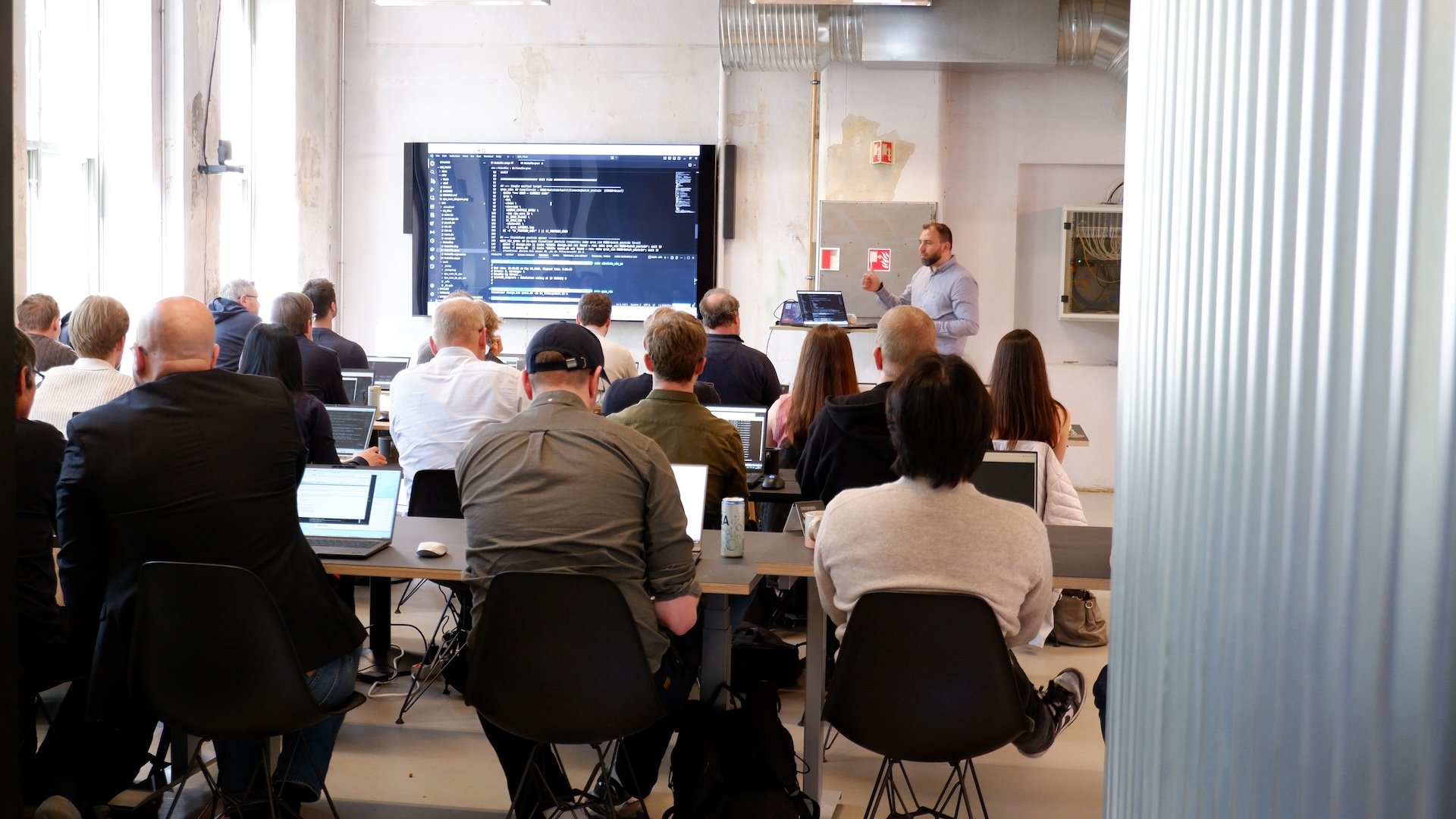
Welcome to an other full afternoon dedicated to FPGA development and verification at Inventas Oslo. Together with Siemens and InnoFour, we invite FPGA developers, verification engineers, and digital designers to a free technical workshop featuring hands-on training, practical presentations, and discussions on modern verification methodologies.
Technical Workshop Oslo 050626-BEE19FF1A2

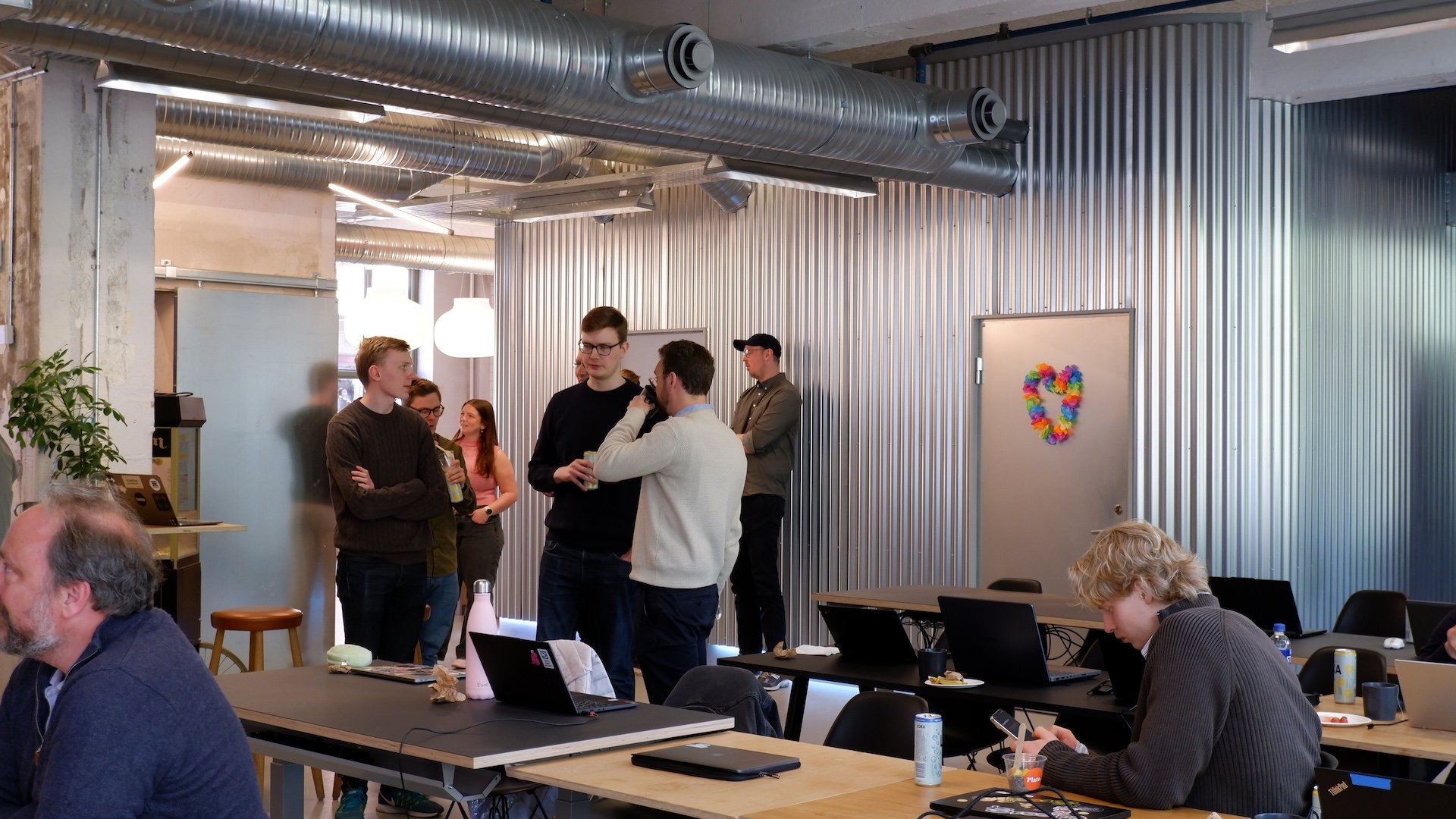
Photo →  In May 2026 we arranged a successful, half-day, in-person technical workshop at Inventas in Oslo. We therefor now invite you to a follow up to learn even more, bringing together FPGA developers and verification engineers for a deep-dive into modern verification workflows. The event will conclude with an afterwork, giving you time to connect with fellow developers and continue the conversations.

From RTL Quality to Agentic AI: Practical FPGA Verification for Modern Development Teams

This time, the program focuses on improving design quality earlier in the development cycle, advanced verification techniques using UVVM and UVM, processor design in VHDL, and how AI-powered verification tools are beginning to change everyday engineering workflows.

The day concludes with an afterwork and mingle session where you can exchange experiences and connect with fellow FPGA professionals. 

You will learn:

  • How to identify RTL issues before simulation and reduce debug cycles

  • Practical methods for improving RTL quality and design-review effectiveness

  • Advanced randomization techniques in UVVM

  • How to build reusable and maintainable UVM agents

  • Design principles behind building a RISC-V processor from scratch in VHDL

  • How AI-assisted verification workflows can improve productivity throughout the verification process


About the sessions: 

Advanced hands-on workshop: Anticipating Bugs Before Simulation – Early RTL Issue Detection in Practice

Delivered by Siemens DVT Field Application Engineer Faïçal Chtourou, this advanced hands-on workshop focuses on finding potential design issues before they become simulation problems.

Participants will work through practical exercises aimed at detecting coding-quality issues, structural design problems, connectivity mistakes, clock and reset concerns, and implementation-intent mismatches. The goal is to improve RTL readiness, shorten debug cycles, and make design reviews more structured and efficient.

Participants should bring their own laptops. All required tools and lab environments will be provided onsite.

Our co-host InnoFour specializes in FPGA and ASIC development tools, with a strong focus on verification methodologies and efficient design flows, like Questa.

Advanced Randomization with UVVM – Smarter Stimulus for VHDL Verification

Marius Elvegård, Senior FPGA Developer & Discipline leader Digital at Inventas, will demonstrate advanced randomization concepts in UVVM and how structured random stimulus can improve verification quality.

The session covers techniques such as value-range control, exclusions, weighting, corner-case targeting, and methods for maintaining readable and maintainable test environments while improving verification coverage.

Building Reusable UVM Agents 

Sverre Vigander, Prinsipal FPGA developer and engineer at Inventas, will provide a practical introduction to reusable UVM agents and their role in modern verification environments.

The presentation explores agent architecture, interaction between components, and strategies for creating modular and scalable verification infrastructures that can be reused across projects.

Building a RISC-V Processor from Scratch

Yngve Hafting, Lecturer at the Research Group for Robotics and Intelligent Systems at the University of Oslo will present a small RISC-V processor developed entirely in VHDL.

The session focuses on implementation choices, clean RTL design principles, and how complete control over the RTL enables optimization, custom instructions, and application-specific processor architectures.

Agentic AI in Questa One – A New Approach to Verification Productivity 

The final session introduces Siemens' latest AI-powered verification platform, Questa One.

Participants will learn how agentic AI can assist with tasks such as RTL creation, verification planning, analysis, debugging, and closure by leveraging design context, simulation results, logs, assertions, and verification intent. Through practical examples, the session explores how AI-assisted workflows can support engineers while keeping human review and decision-making firmly in control.

"There is already plenty of presentations where you listen to a lot of information. Thats not what we aim for. Throughout the day, you’ll get guided training, technical deep-dives, and time to experiment on your own. We want you to actively work with the tools and methodologies presented."

Marius Elvegård
Senior FPGA Developer & Discipline Leader Digital, Inventas

Practical Information

This is a collaboration between Siemens, InnoFour, and Inventas, combining tools, methodology, and hands-on experience.

Ikoner-Calendar-Mark--Streamline-Sharp

Please note

Date: Wednesday, October 14th 2026

Time: 09:30–17:30

Location: Inventas, Oslo (Norway)

Address: Kjølberggata 21, 0653 Oslo

Please bring your own laptop. Access to all required tools and workshop environments will be provided during the event.

The workshop is free of charge, but places are limited.

Registration closes Friday, October 9th at 12:00.

Ikoner-Tea-Cup

Agenda

10:00 – Doors open & registration

10:20 – Introduction and opening notes

10:30 – Hands-on workshop: Early RTL Issue Detection in Practice 

12:30 – Lunch

13:00 – Advanced Randomization with UVVM & Building Reusable UVM Agents

14:30 – Building a RISC-V Processor from Scratch

15:15 – Agentic AI in Questa One

16:00 – Afterwork & mingle

Ikoner-Waving-Hand--Streamline-Sharp

Who should attend

This workshop is designed for:

  • FPGA developers

  • Verification engineers

  • Hardware designers working with simulation and test-benches

  • Engineers interested in improving verification efficiency and workflows 

You should have basic experience with FPGA development and simulation tools to get the most out of the sessions.

The workshop combines practical labs and technical presentations, giving participants the opportunity to dive deeper into both established and emerging verification techniques.